213 Caterpillar excavator specs & Dimensions (1985 - 2026)

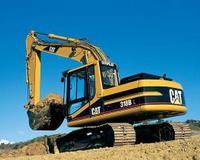
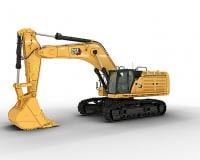
Caterpillar 213 is a Crawler Excavator manufactured since 1985, with a weight of 16.25 tons. It features a track width of 500 mm, …

Caterpillar 213 is a Crawler Excavator manufactured since 1985, with a weight of 16.25 tons. It features a track width of 500 mm, a transport length of 8.28 meters, a transport width of 2.4 meters, and a transport height of 2.96 meters. The bucket width is 1.41 meters, with a bucket capacity ranging from 0.25 cubic meters to 0.86 cubic meters.

Technical specs - 213 Caterpillar

Specification

Notice: Every data listed is verified by LECTURA Specs team experts. However, incomplete data and mistakes might occur. Contact our team with any change suggestion.

Weight
16.25 t
Transport length
8.28 m
Transport width
2.4 m
Transport height
2.96 m
Bucket capacity min.
0.25 m³
Bucket capacity max.
0.86 m³
Track width
500 mm
Bucket width
1.41 m
Engine manuf.
Perkins
Engine type
6.354.4P
Engine power
76 kW
Displacement
5.8 l
No. of cylinders
6
Cylinder bore x stroke
98.4x127 mm

More technical details, like: bucket capacity, undercarriage, boom, max. reach horizontal, dredging depth, tear-out force, model series, dimension lxwxh, revolutions at max torque, max. torque, emission level are available in the full technical specs.

Basic model incl. ROPS cabin, traction drive, standard boom and standard bucket

Special equipment

Diesel particulate filter
No
Track adjustment
No
Blade
No
Cabin adjustment
No
Overload alert
No
Material Handling Excavator
No
Aircondition
No
Quick hitch hydr.
No
Quick hitch mech.
No

Download specalog and datasheets (PDF)

Caterpillar 213 FAQ

When was the Caterpillar 213 manufactured?

The Caterpillar 213 was first produced in 1985.

How much does the Caterpillar 213 weigh?

The Caterpillar 213 weighs 16.25 tons.

What are the transport dimensions of the Caterpillar 213 crawler excavator?

The Caterpillar 213 crawler excavator has a transport length of 8.28 meters, a transport width of 2.4 meters, and a transport height of 2.96 meters.

What is the track width of the Caterpillar 213's undercarriage?

The Caterpillar 213 has a track width of 500 mm.

What are the bucket specifications of the Caterpillar 213 crawler excavator?

The Caterpillar 213 crawler excavator has a bucket width of 1.41 meters, with a maximum capacity of 0.86 cubic meters and a minimum capacity of 0.25 cubic meters.

How much is a Caterpillar 213 Crawler excavator (1985u20132025) worth?

The residual value of the Caterpillar 213 depends on the machine's individual parameters. Visit the LECTURA Valuation to check it.

Caterpillar 213 overview

Caterpillar 213 features overview

summary

The 213, 214 and 224 can be widely used in rural and urban construction, road maintenance, demolition, quarry work and other material handling applications. Some of the key features that make the excavators so versatile are: Compact design, short tail swing Maneuverability Gradability Rough terrain mobility Precise control of travel and implement functions Excellent stability and lift capacity. In addition to these features, the machines are productive, quiet and comfortable. They are easy to operate and maintain, and are backed by Caterpillar's renowned parts and service support.


Engine

Performance

The new excavators are equipped with Perkins 6.354.4 engines. The “6” indicates that they are six cylinder engines, and the “354” refers to the engine displacement in cubic inches. The “4” says this is the fourth generation design. The 213, 213LC, and 214 have 6.354.4 P engines. The “P” stands for premium. The 224 features a T6.354.4 engine, which is the turbocharged version of the premium engine. (The “P” was dropped.) Premium engines feature different piston assemblies and valve trains than standard engines. Premium pistons have three rings — two compression and one oil. The top ring groove is machined in a cast iron insert for better performance and durability, while standard pistons have the rings set in grooves machined in the piston body. The premium pistons feature less friction, superior oil control, and a closer fit inside the cylinder. Additionally, the premium engine also features a different valve train, with rockers that are bushed, rather than unbushed as in the standard engine.


Hydraulic and electronic system

drive

The wheeled machines are driven by one variable displacement motor which adjusts automatically to resistance to keep travel speed optimum. The motor is powered by only one pump, so power from the other pump is available for using implements to pull the machine through muddy spots. A two-speed (work and travel speed ranges) manual transmission is mounted up on the rear axle to improve ground clearance. It is a sliding gear arrangement, activated by a piston. Shifting between work and travel speed ranges must be done when the machine is stopped. An overspeed valve in the transmission controls forward speed on long downgrades and reduces use of service brakes. The 213 also features hydrostatic drive. Each track is driven by an axial piston motor connected to a spur/planetary final drive. An overspeed valve slows downhill speed and protects 213 drive motors against cavitation.


brakes

The 214 and 224 feature self-adjusting shoe brakes on all four wheels. The brakes can be locked during excavation. An auxiliary shoe-type parking brake mounted between drive shaft sections is spring applied and air released. The track-type machine has multi-disc brakes on each final drive input shaft. They are hydraulically released and spring applied, so they automatically lock up when the engine stops or hydraulic pressure is lost.


service

The machines are designed for easy service. All components are readily accessible for maintenance or removal. Bottom plates provide access to the engine for inframe overhaul. Main hydraulic and steering pumps can also be reached by removing the bottom plate. The hydraulic pumps come out as a unit. The hydraulic/air swivel can be reached from the bottom of the machine by removing a driveline. This component is easier to service than most competitive models because the transmission is located near the rear of the machine.


Undercarriage

Undercarriage

The 213 has D4-size undercarriage and box-section roller frames. The long undercarriage is 30 inches (775 mm) longer and 7 inches (175 mm) wider than the standard. Standard length undercarriage has seven track rollers, plus one carrier roller per side. Long undercarriage has ten rollers plus two carrier rollers. Bolted cover plates on each track roller frame provide access for adjusting the track. In addition, four track guiding guards are standard on the 213LC, two are optional on the 213. The wheeled undercarriages on the 214 and 224 feature heavy duty axles. Dual steering cylinders mount behind the steering axles in a protected position. The tie rods are located above the axle. Most competitors mount the steering cylinders and tie rods in a more vulnerable position. The front steering axle oscillates at 8.5° and can be locked in any position by activating a switch in the cab. This feature adds greatly to stability when working on wheels only. Rubber spacer rings are available for the wheeled machines' dual tires. This attachment, offered by few competitors, reduces the possibility of rocks from wedging in the dual tires.


Upper Structure

swing mechanism

The swing drive mechanism features a hydraulic vane-type motor and two-stage gear reduction to an externally toothed swing gear. The swing drive pinion is guarded, and if machines work in rough conditions, swing gear guards are available. The machines have an open center hydraulic control for swing. In this system, rotation is slowed, but not completely stopped by bringing the control to the neutral position. Rotation is stopped by using a separate drum brake or reversing the swing. For clamshell work, the separate drum type swing brake lets the operator brake gradually and limits the pendulum effect on the load.


brake systems

Separate front and rear service brake systems are standard on the 214 and 224. The drum brakes adjust automatically so they are maintenance-free until lining replacement is necessary. The machines feature lower maintenance costs than most of their competitors. Two thousand hour costs were calculated for the 214 and a major U.S. competitor — the Case 1085. The 214's maintenance costs were more than 10% lower than the Case model's.


Machine inspection

Ask for inspection of your Caterpillar 213 from experts

Machine inspection

Mevas is an international operating inspection service for used heavy machinery. Construction machinery inspectors are available in more than 20 countries.

Use this service to minimise the risk when buying used equipment. An inspection by Mevas costs less than repairing a defective hydraulic cylinder.

Provided by: Mevas — The Heavy Equipment Inspectors

Buy & Rent

Compare Caterpillar 213 with similar Crawler Excavators

Caterpillar 213

Caterpillar 213

Weight:
16.25 t
Transport length:
8.28 m
Transport width:
2.4 m
Transport height:
2.96 m
Samsung SE 130 W-2

Samsung SE 130 W-2

Weight:
14.6 t
Transport length:
7.42 m
Transport width:
2.5 m
Transport height:
4 m
Hitachi ZX 190 LC-5

Hitachi ZX 190 LC-5

Weight:
19 t
Transport length:
9.42 m
Transport width:
2.8 m
Transport height:
7.75 m

Spare parts & Components

Get spare parts for Caterpillar 213 easily from our partners

Spare parts

Do your lookup for high quality parts for Caterpillar 213 online!
With a few, easy steps, you will find generic and genuine parts and replacements in well-catalogued lists. Wether you are dealer or an owner, LECTURA can lead you to the right direction.
Check the best offers from our partners and order the Crawler Excavators spare parts easily today - worldwide.

Transport

Crawler Excavators Transport & Shipping Services

In case you want to transport your machine, apply our services. Examine the best fitting transport quotes for Crawler Excavators created on transport dimensions and weights. Our partners offer large-scale options to satisfy your requirements.

Data provided by Lectura logo

News